Latest News

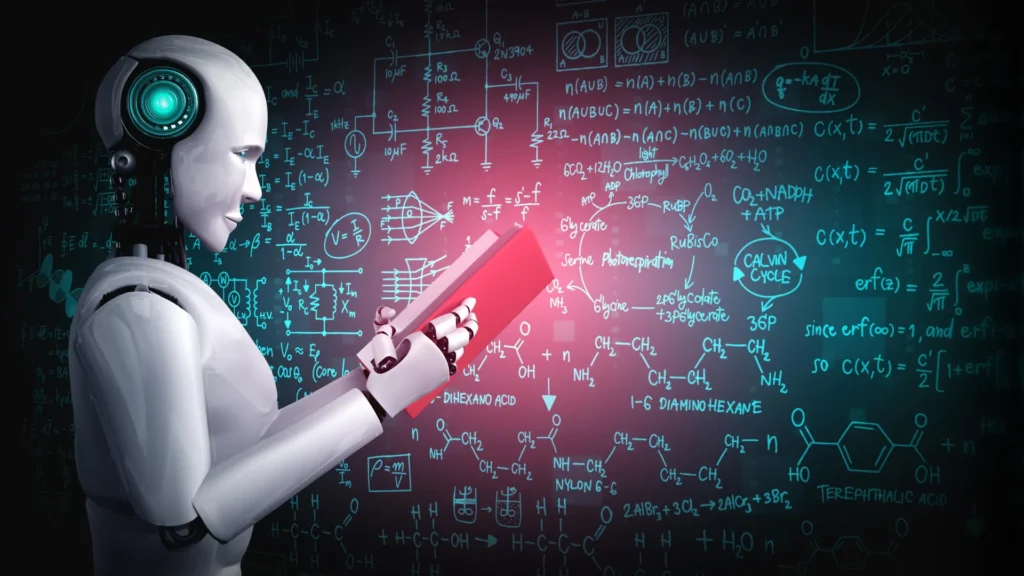
Scientists discover the moment AI truly understands language

Scientists discover the moment AI truly understands language A study in JSTAT describes the sharp shift in text comprehension strategies during neural network training. The language capabilities of today's artificial intelligence systems are astonishing. We can now engage in natural conversations with systems like ChatGPT, Gemini, and many others, with a fluency nearly comparable to […]

Scientists discover the moment AI truly understands language Read More »
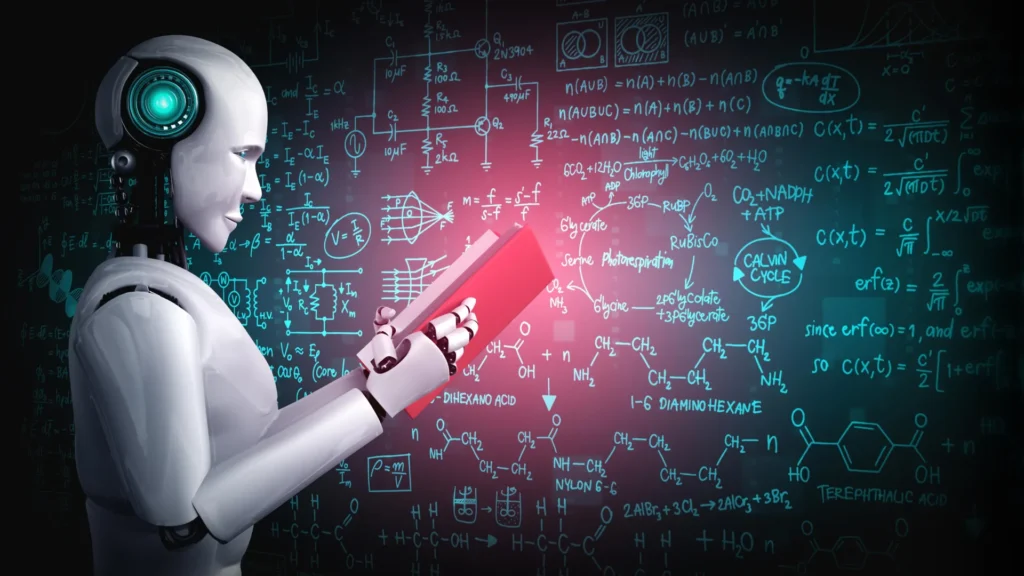
Scientists discover the moment AI truly understands language

Scientists discover the moment AI truly understands language A study in JSTAT describes the sharp shift in text comprehension strategies during neural network training. The language capabilities of today's artificial intelligence systems are astonishing. We can now engage in natural conversations with systems like ChatGPT, Gemini, and many others, with a fluency nearly comparable to

Scientists discover the moment AI truly understands language Read More »
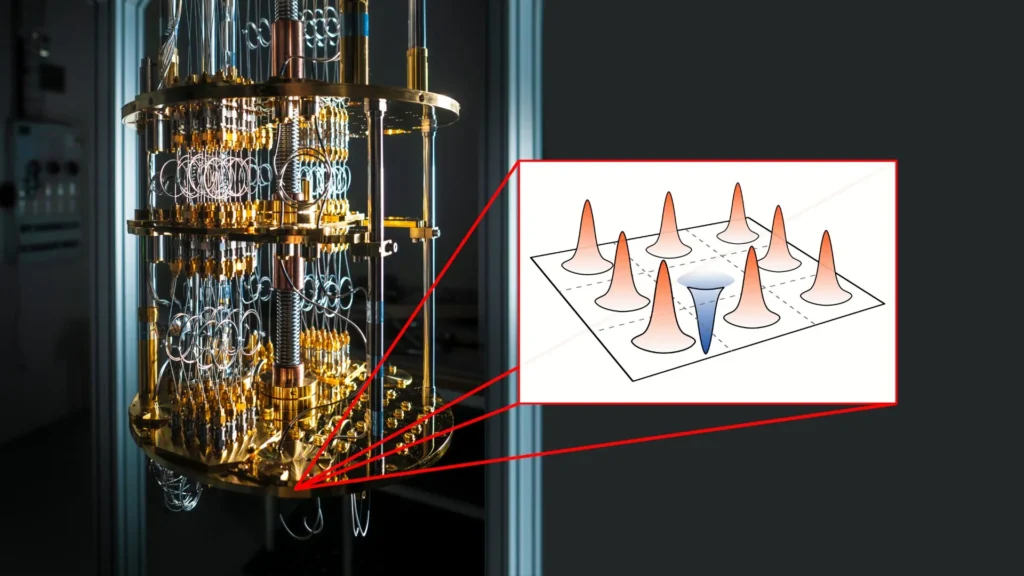
Scientists just simulated the “impossible” — fault-tolerant quantum code cracked at last

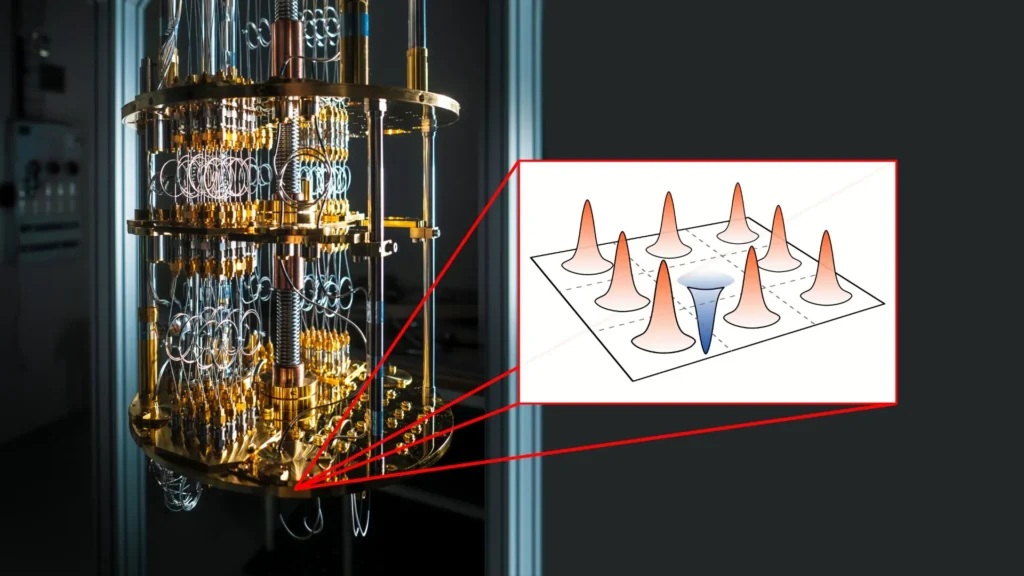
Scientists just simulated the “impossible” — fault-tolerant quantum code cracked at last Quantum computers still face a major hurdle on their pathway to practical use cases: their limited ability to correct the arising computational errors. To develop truly reliable quantum computers, researchers must be able to simulate quantum computations using conventional computers to verify their

Scientists just simulated the “impossible” — fault-tolerant quantum code cracked at last Read More »

Scientists just simulated the “impossible” — fault-tolerant quantum code cracked at last

Scientists just simulated the “impossible” — fault-tolerant quantum code cracked at last Quantum computers still face a major hurdle on their pathway to practical use cases: their limited ability to correct the arising computational errors. To develop truly reliable quantum computers, researchers must be able to simulate quantum computations using conventional computers to verify their

Scientists just simulated the “impossible” — fault-tolerant quantum code cracked at last Read More »

Scientists just simulated the “impossible” — fault-tolerant quantum code cracked at last

Scientists just simulated the “impossible” — fault-tolerant quantum code cracked at last Quantum computers still face a major hurdle on their pathway to practical use cases: their limited ability to correct the arising computational errors. To develop truly reliable quantum computers, researchers must be able to simulate quantum computations using conventional computers to verify their

Scientists just simulated the “impossible” — fault-tolerant quantum code cracked at last Read More »

Quantum computers just beat classical ones — Exponentially and unconditionally

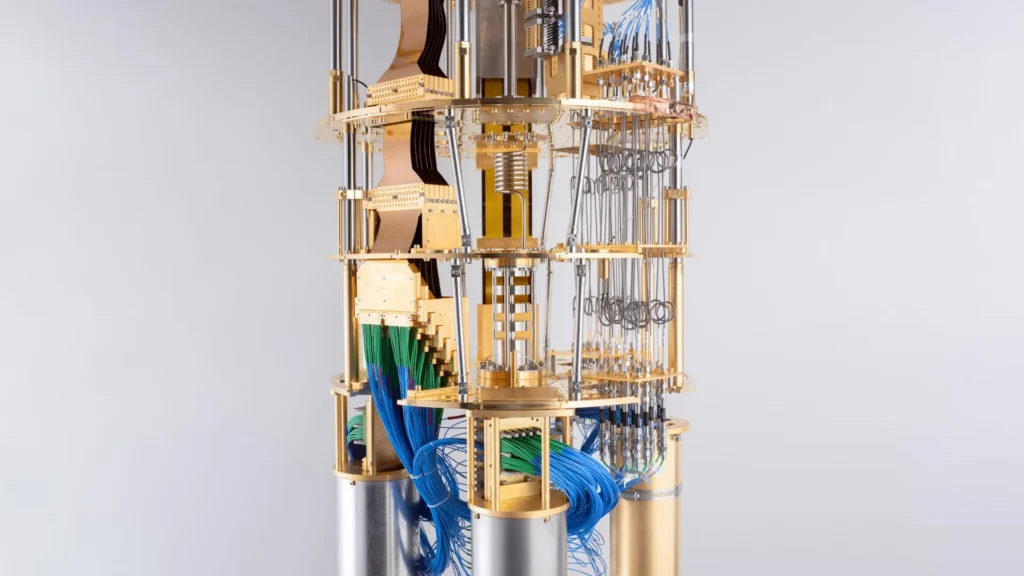
Quantum computers just beat classical ones — Exponentially and unconditionally Conducted on IBM quantum processors, study demonstrates “a promise of quantum computing previously articulated only on paper.” Quantum computers have the potential to speed up computation, help design new medicines, break codes, and discover exotic new materials — but that's only when they are truly

Quantum computers just beat classical ones — Exponentially and unconditionally Read More »

Quantum breakthrough: ‘Magic states’ now easier, faster, and way less noisy

Quantum breakthrough: ‘Magic states’ now easier, faster, and way less noisy Researchers from The University of Osaka invent a technique to dramatically decrease overhead of quantum computers. For decades, quantum computers that perform calculations millions of times faster than conventional computers have remained a tantalizing yet distant goal. However, a new breakthrough in quantum physics

Quantum breakthrough: ‘Magic states’ now easier, faster, and way less noisy Read More »

Quantum computers just got an upgrade – and it’s 10× more efficient

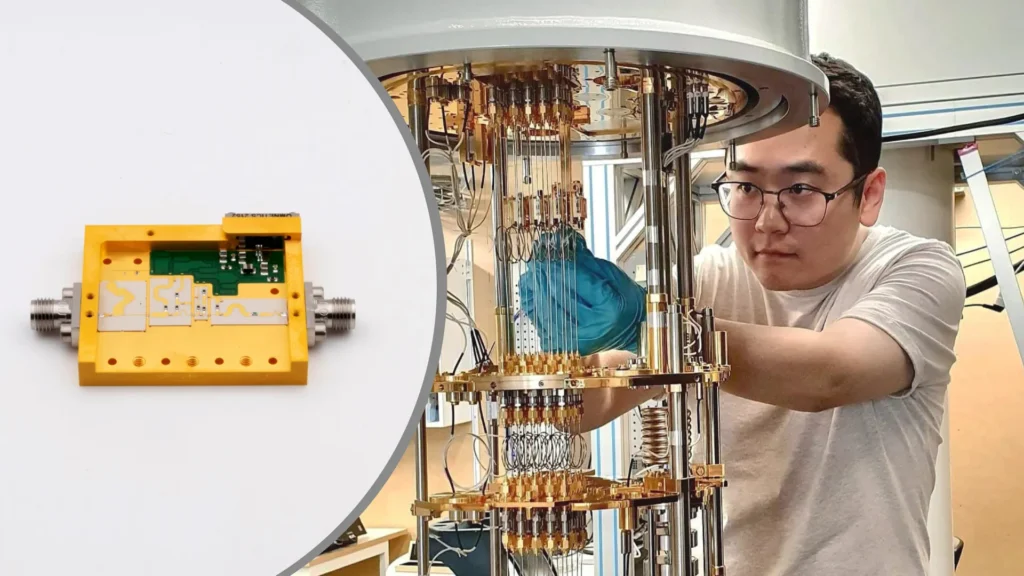
Quantum computers just got an upgrade – and it’s 10× more efficient Quantum computers can solve extraordinarily complex problems, unlocking new possibilities in fields such as drug development, encryption, AI, and logistics. Now, researchers at Chalmers University of Technology in Sweden have developed a highly efficient amplifier that activates only when reading information from qubits.

Quantum computers just got an upgrade – and it’s 10× more efficient Read More »

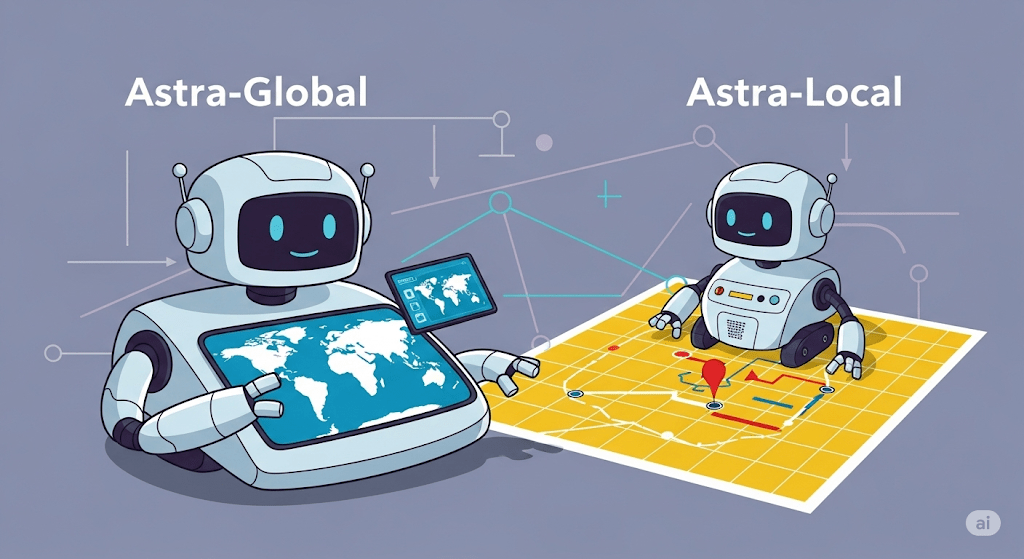
ByteDance Introduces Astra: A Dual-Model Architecture for Autonomous Robot Navigation

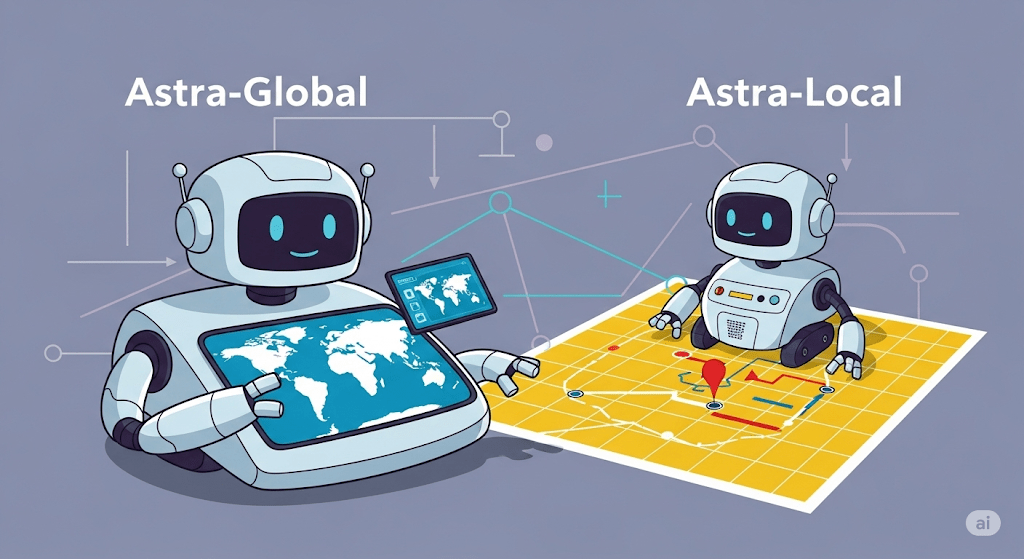
The increasing integration of robots across various sectors, from industrial manufacturing to daily life, highlights a growing need for advanced navigation systems. However, contemporary robot navigation systems face significant challenges in diverse and complex indoor environments, exposing the limitations of traditional approaches. Addressing the fundamental questions of “Where am I?”, “Where am I going?”, and

ByteDance Introduces Astra: A Dual-Model Architecture for Autonomous Robot Navigation Read More »

ByteDance Introduces Astra: A Dual-Model Architecture for Autonomous Robot Navigation

The increasing integration of robots across various sectors, from industrial manufacturing to daily life, highlights a growing need for advanced navigation systems. However, contemporary robot navigation systems face significant challenges in diverse and complex indoor environments, exposing the limitations of traditional approaches. Addressing the fundamental questions of “Where am I?”, “Where am I going?”, and

ByteDance Introduces Astra: A Dual-Model Architecture for Autonomous Robot Navigation Read More »

Scroll to Top